

The Estado Novo: How One Quiet Accountant Ruled Portugal for Forty Years
Issue No. 5 · Theme 1-History: Salazar's "New State" lasted from 1933 to 1974 — the era that shaped the Portugal you know today.

New here? Welcome. We're working-class travelers, history lovers, digital nomads, amongst other things — building the clearest English-language guide to Portugal's new citizenship exam (the TNIC) and learning about Portugal along the way, one issue at a time. It's as much about getting to learn and really know Portugal — its history, its customs, and culture— as it is about passing a citizenship exam.
Today’s issue is part of a three-issue arc on how Portugal became a democracy:
① The Estado Novo (you are here) → ② The Carnation Revolution that ended dictatorship → ③ The Constitution of 1976 that replaced it
If you’re preparing for residency or eventually naturalization — as I am — subscribe free as I prepare alongside you and we will walk through every TNIC exam topic, week by week.
The Short Version of This History
For more than forty years, Portugal was not a democracy. From 1933 to 1974, it was governed by the Estado Novo — the “New State” — an authoritarian, corporatist regime built and run by one man: António de Oliveira Salazar (1889–1970).
Salazar was not a general or a firebrand. He was a finance professor from the University of Coimbra who was made minister of finance in 1928, became prime minister in July 1932, and then simply… never left — ruling until a stroke removed him in September 1968. His successor, Marcello Caetano, kept the system running until it collapsed in the spring of 1974.
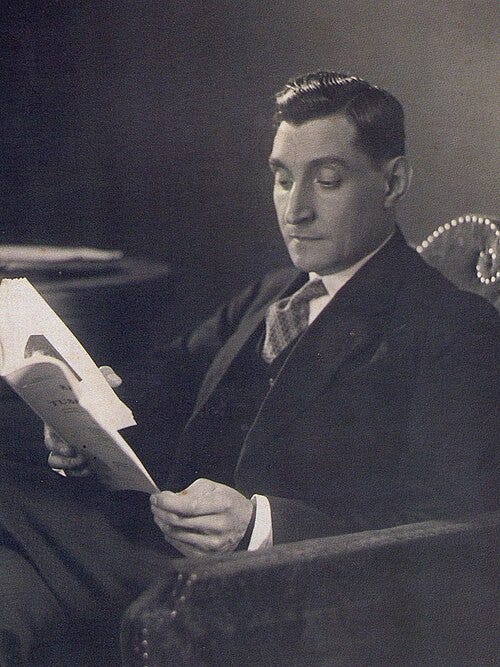
Image: António de Oliveira Salazar. Photo: VacantO, via Wikimedia Commons (public domain).
What the “New State” Actually Was
The regime was founded on the Constitution of 1933 — drafted by Salazar himself and originally published in the Diário do Governo on 22 February 1933. It rested on a slogan you’ll want to remember: “Deus, Pátria, Família” — God, Fatherland, Family. That phrase tells you almost everything:
• One party, no real choice. Political life ran through a single official party, the National Union (União Nacional); rival parties were banned.
•Censorship. Newspapers, books, films, and radio were reviewed by government censors before the public ever saw them.
• Secret police. Founded in 1933 and known from 1945 as the PIDE (and from 1969 as the DGS), it surveilled, detained, and interrogated suspected opponents and ran political prisons.
• Corporatism instead of free unions. Workers and employers were organized into state-controlled “corporations” rather than independent trade unions.
• Empire above all. Portugal clung to its African colonies long after other European powers let go, fighting costly colonial wars in Angola, Mozambique, and Guinea-Bissau from 1961. Those wars drained the treasury and exhausted the army — and ultimately ended the regime.

Image: Tama66, via Pixabay
Why This Matters
Here’s the through-line, and it’s worth remembering:
Almost every right you enjoy in Portugal now exists because the Estado Novo denied it.
The 1976 Constitution’s guarantees — free speech, free elections, free unions, freedom from arbitrary arrest — read like a point-by-point answer to the forty years that came before. If asked about Portugal’s democratic institutions and the rights and duties of citizens-the Estado Novo is the “before” picture that makes the “after” make sense.
That's why we put these last three issues together. Understand what Portugal rejected, and what it chose instead, and a whole era of its story falls into place — for the exam, for living here, or just for the love of the place.
Five Things Worth Remembering
1. Estado Novo = “New State,” Portugal’s authoritarian regime, 1933–1974.
2. Salazar built and led it (PM 1932–1968); Caetano held power until the end.
3. Slogan: “God, Fatherland, Family” (Deus, Pátria, Família).
4. Hallmarks: one party, censorship, secret police (PIDE/DGS), state corporatism, colonial wars.
5. The Estado Novo ended on 25 April 1974, when the Carnation Revolution — a military coup — toppled the dictatorship and opened the door to the democratic Portugal of today.
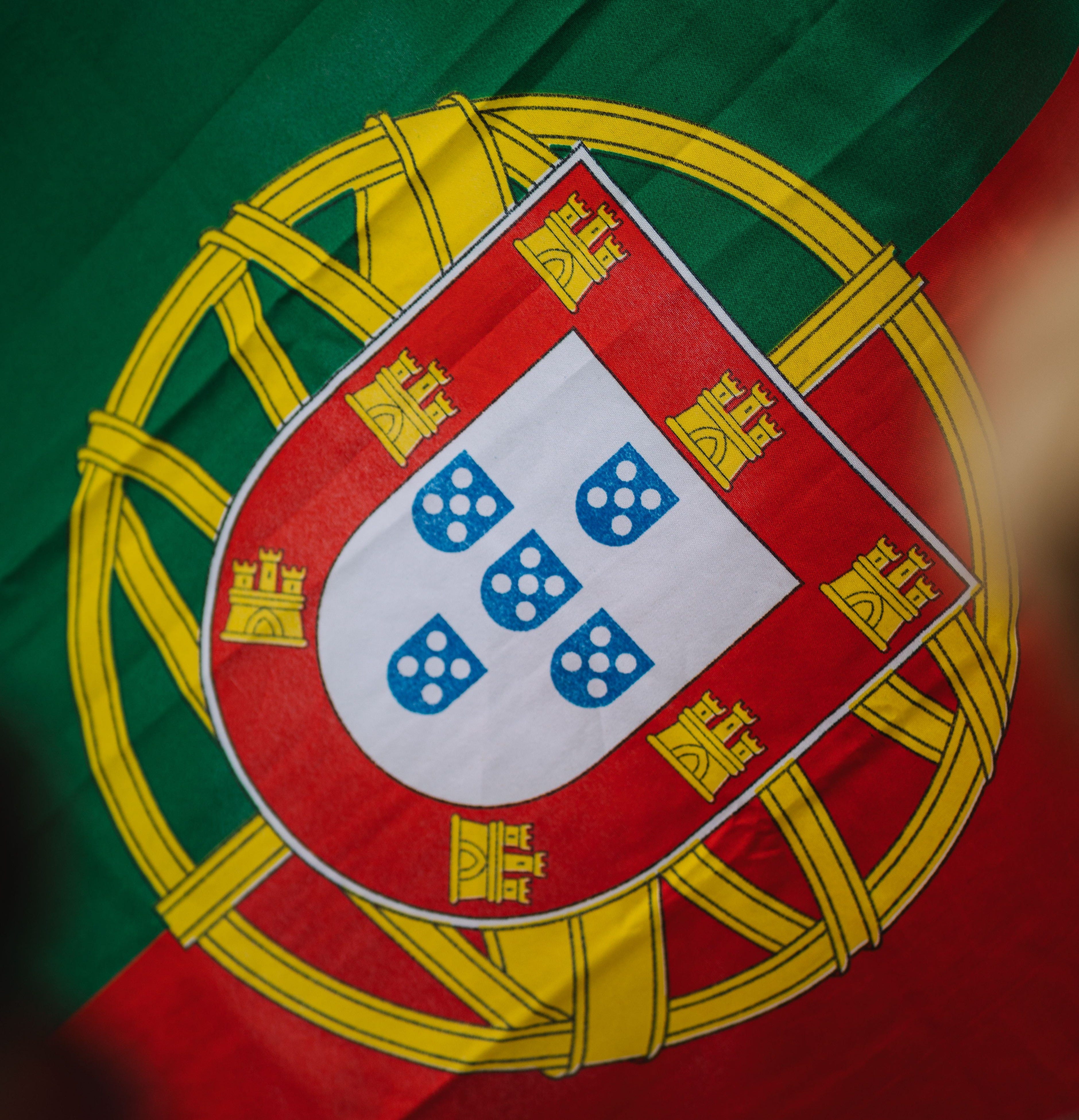
Image: Dlogo Miranda, via Pexels
Practice It
1. The Estado Novo governed Portugal during which period?
(a) 1910–1926
(b) 1933–1974
(c) 1974–1986
(d) 1926–1933
2. Which slogan summarized the Estado Novo’s values?
(a) “Liberdade, Igualdade, Fraternidade” (Liberty, Equality, Fraternity)
(b) “Ordem e Progresso” (Order and Progress)
(c) “Deus, Pátria, Família” (God, Fatherland, Family)
(d) “Trabalhadores do mundo, uni-vos!” (Workers of the world, unite!)
3. What was the name of the regime’s secret police?
(a) The PSP
(b) The PIDE
(c) The GNR
(d) The Gestapo
How did you do? The answers — to this issue and every future issue's questions— are free on our Practice Answers page to all subscribers. No need for a paid subscription, hit FREE instead.
👨👩👧👦 For the Family
Here’s one for the dinner table, the car, or the train. Imagine a Portugal where, before a newspaper could print a story, post a story online, or a film could play, a government office had to read it first and cross out anything it didn’t like.
That really happened here in Portugal — for longer than most parents have been alive.
Ask your youth: What’s one thing you have read or watched on your mobile device this week that a censor might have crossed out and not approve of?

Image: Egor Vikhrev, via Unsplash
Start here: Issue 01 — The Five Themes | Glossary of TNIC Terms | Compare with free apps
The Portugal Civics Issue is a free weekly guide to learning about Portugal’s rich history and Portugal’s future TNIC citizenship exam. Next Sunday: Issue 06 — the Founding of Portugal. If you found this interesting and want to learn more, please join us next Sunday and forward it to someone else with your same interests
The work continues.
— Chris, Aspiring Lusitano
SOURCES
• Estado Novo overview & dates (1933–1974): Encyclopedia Britannica — https://www.britannica.com/topic/Estado-Novo-Portuguese-history ; Wikipedia “Estado Novo (Portugal)”.
• Salazar (b.1889 Vimieiro–d.1970 Lisbon; finance minister 1928; PM 5 July 1932; stroke Sept 1968; succeeded by Caetano): Britannica — https://www.britannica.com/biography/Antonio-de-Oliveira-Salazar
• Marcello Caetano: Britannica — https://www.britannica.com/biography/Marcello-Jose-das-Neves-Alves-Caetano
• Constitution of 1933 (drafted by Salazar; published Diário do Governo 22 Feb 1933; plebiscite 19 Mar 1933; in force to 1976): Parliament official text — https://www.parlamento.pt/Parlamento/Documents/CRP-1933.pdf ; primary source (Diário do Governo) — https://files.dre.pt/1s/1933/02/04301/02270236.pdf
• Secret police lineage PVDE (1933–45) → PIDE (1945–69) → DGS (1969–74): Wikipedia “PIDE” — https://en.wikipedia.org/wiki/PIDE
• “Deus, Pátria, Família” slogan; National Union (União Nacional) single party; colonial wars from 1961; Carnation Revolution 25 Apr 1974: corroborated across Britannica, Wikipedia, and Portuguese government source 200anos.justica.gov.pt/o-estado-novo, Issue 03 (Carnation Revolution), Issue 04 (Constitution of 1976), TPIC Glossary
• Image credits: Hero — António de Oliveira Salazar, 1940; photo by Manuel Alves de San Payo, via Wikimedia Commons (public domain). All other images are royalty-free via Unsplash, Pexels, and Pixabay (no attribution required).
END