

How Portugal Became a Kingdom 👑: Afonso Henriques and the Birth of a Nation, 1139
Issue No. 6 · Theme 1: History It took fifty-one years and four separate acts — military, dynastic, diplomatic, and papal — for Portugal to become a kingdom.

New here? Welcome. We’re working-class travelers, history lovers, digital nomads, amongst other things — building the clearest guide to Portugal’s new citizenship exam (the TNIC) and learning about Portugal along the way, one issue at a time. It’s as much about getting to learn and really know Portugal — its history, its customs, and culture— as it is about passing a citizenship exam.
If you’re preparing for residency or eventual naturalization — as I am — subscribe free as I prepare alongside you and we will walk through every TNIC exam topic, week by week.
The short version of this history
Portugal’s founder began his political career at nineteen by defeating his own mother in battle. The fight took place on a hillside outside Guimarães on 24 June 1128 — the Battle of São Mamede. The young man was Afonso Henriques. The mother was Teresa of León, who had ruled the territory called Portucale for sixteen years and even styled herself Regina Portugaliae — “Queen of Portugal” — by 1117.
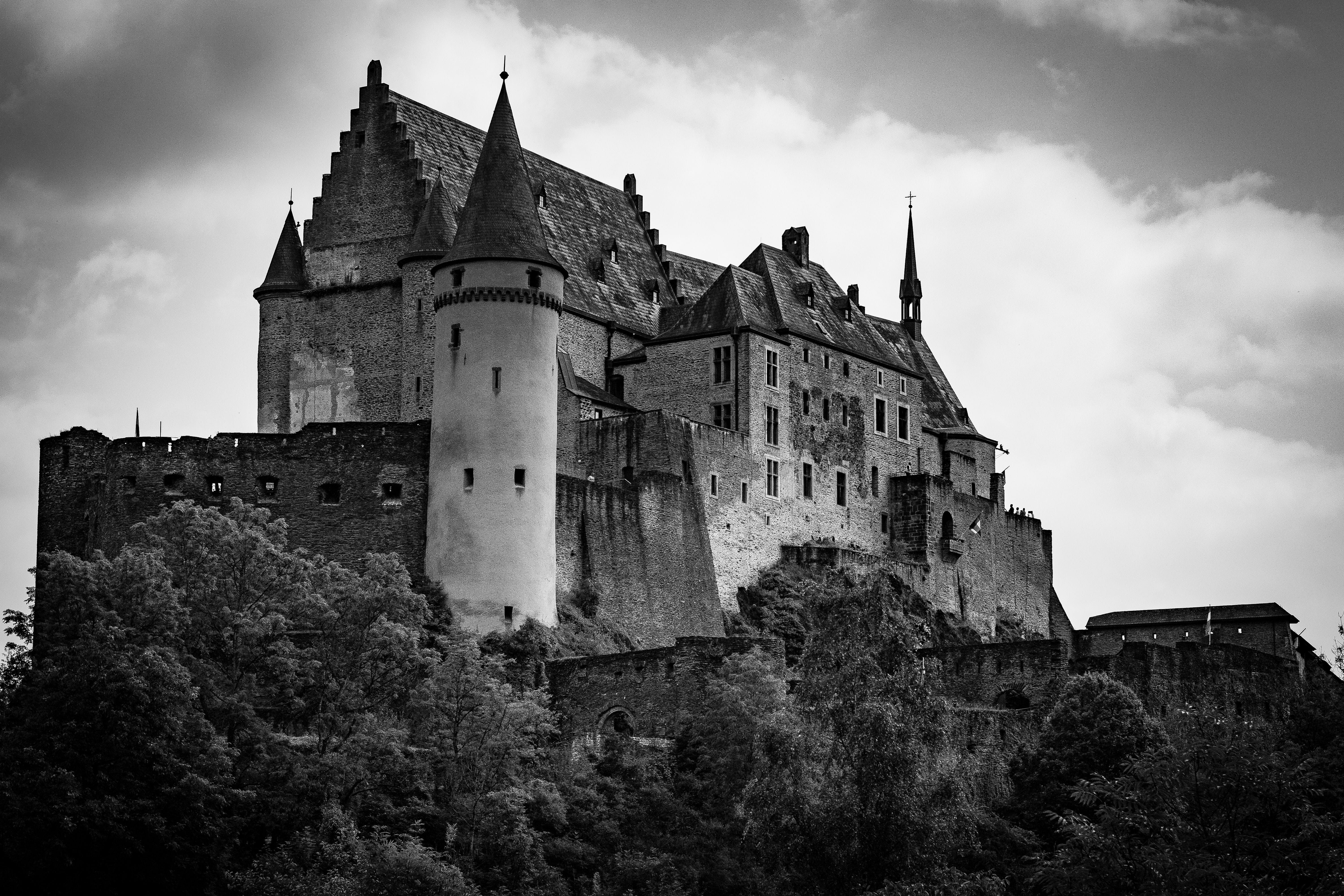
Image is royalty-free via Pexels (no attribution required)
What Afonso started that day took five decades to finish. He defeated an Almoravid army at Ourique on 25 July 1139 and was acclaimed king by his soldiers. He met his cousin Alfonso VII of León-Castile at the Treaty of Zamora in 1143 and won acknowledgment of his royal title from the Iberian Christian world. Forty years after Zamora, the papacy finally caught up: Pope Alexander III issued the bull Manifestis Probatum on 23 May 1179, formally recognizing the Kingdom of Portugal under the direct protection of the Holy See. That parchment — still preserved at the Arquivo Nacional Torre do Tombo in Lisbon — is what Portuguese historians call the country’s birth certificate. What the founding actually was four acts. Each one solved a different problem:
• The military act: Battle of São Mamede (24 June 1128). Afonso, age nineteen, defeats his mother Teresa and her ally Fernão Peres de Trava near Guimarães and expels them from the county. He governs in his own name. The famous mnemonic Portuguese schoolchildren learn — bateu a mãe, mas não bateu na mãe (“he beat his mother in battle, but he didn’t beat his mother physically”) — preserves both the awkwardness of the founding and its limit.
• The dynastic act: Battle of Ourique (25 July 1139). Afonso defeats an Almoravid army in the southern Alentejo. His soldiers acclaim him king on the battlefield. From 1140 onward, surviving documents call him rex — king. (The later legend that Christ appeared to Afonso the night before and revealed the five wounds that became the quinas on the Portuguese flag is a 15th–16th century invention, not a medieval fact.)
• The diplomatic act: Treaty of Zamora (4–5 October 1143). At Zamora, Afonso meets his cousin Alfonso VII of León-Castile in the presence of a papal legate. Alfonso accepts Afonso’s use of Rex Portugallensis. From this moment, Castile-León treats Portugal as a co-equal kingdom in correspondence. The Archbishop of Braga, João Peculiar, brokered the deal.
• The papal act: Bull Manifestis Probatum (23 May 1179). Pope Alexander III formally recognizes Afonso Henriques as king of an independent kingdom under papal protection. For thirty-six years between Ourique and the bull, the papacy had withheld this — international legitimacy in twelfth-century Christendom required Rome. With Manifestis Probatum, Portugal becomes a kingdom in every sense the medieval world recognized.
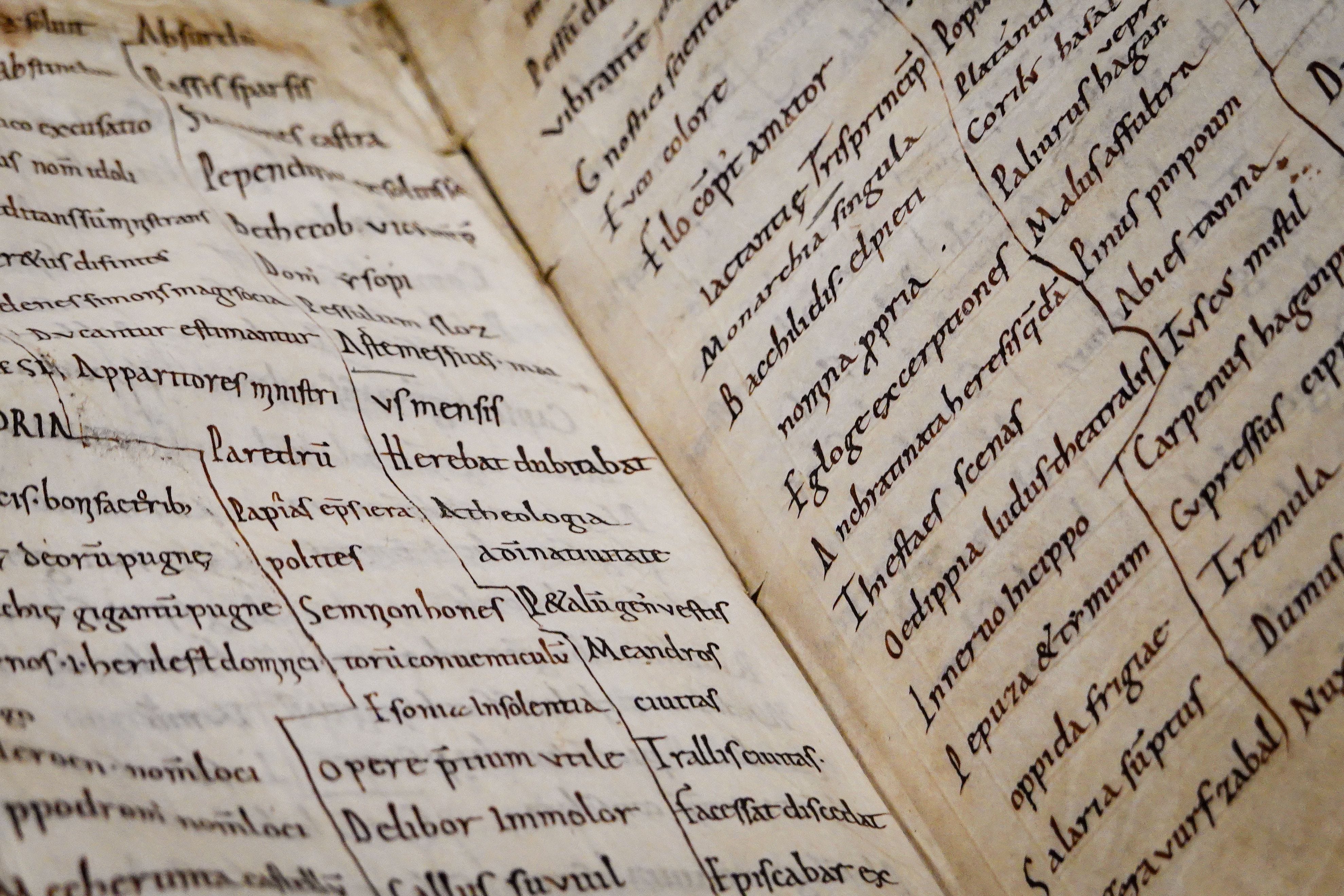
Manifestis Probatum parchment — ancient Latin manuscript. Photo: Magda Ehlers, via Pexels.
Why it matters if you are studying for the TNIC exam
The TNIC will ask you about the founding because every Portuguese citizen is expected to know it. Here’s the through-line worth keeping in your head:
Portugal was not a single event. It was a sequence. (1) The military victory came first, (2) then the royal acclamation, (3) then the rival crown’s acknowledgment, then the (4) pope’s recognition.
The same four-step pattern — control the territory, claim the title, get the rival to admit it, get Rome to bless it — was how every peripheral medieval kingdom became legitimate. Afonso Henriques was the only twelfth-century Iberian noble who managed all four.
Getting value from this? This is exactly how we cover all five exam themes in our practice exams and study materials— real sources, no fluff. Click below to get on the waiting list to be the first to know when practice exams and study materials are available.
Five things to remember
1. Portugal began as a county, not a kingdom — the Condado Portucalense, granted to Henry of Burgundy as a wedding present in 1093.
2. Afonso Henriques founded the kingdom in four steps: São Mamede (1128) → Ourique (1139) → Zamora (1143) → Manifestis Probatum (1179).
3. Guimarães is the berço da nação — the cradle of the nation — because the founding battle was fought just outside it.
4. The “birth certificate of Portugal” is the papal bull Manifestis Probatum, 23 May 1179. The original parchment is preserved at the Arquivo Nacional Torre do Tombo in Lisbon.
5. Eight centuries connect the founding to the present. From the kingdom under papal protection in 1179 to the sovereign Republic of 1976, the predicate sentence is continuous: Portugal é.
Practice it
1. Which of these founding events of Portugal happened FIRST?
(a) The Battle of Ourique (Afonso defeats an Almoravid army)
(b) The Treaty of Zamora (Alfonso VII accepts Afonso’s royal title)
(c) The Battle of São Mamede (Afonso defeats his mother Teresa near Guimarães)
(d) Manifestis Probatum (Pope Alexander III recognizes the Kingdom of Portugal)
2. Who was the FIRST ruler of the County of Portucale, beginning the line that led to independence?
(a) Afonso Henriques
(b) Teresa of León
(c) Henry of Burgundy
(d) Alfonso VII of León and Castile
3. Before he was king, what title did Afonso Henriques hold FIRST?
(a) King (Rex Portugallensis)
(b) Prince (Infans Portugallensis)
(c) Count of Portucale
(d) Emperor of Hispania
4. In Portugal’s path to legitimacy, which step came LAST — the final seal of recognition?
(a) Effective control of the territory
(b) Self-proclamation by his own soldiers
(c) Recognition by the rival Iberian crown
(d) Recognition by the papacy
How do you think you did without going up in this issue to find the answers? Want to check your answers? Want the answer key for all the questions in our issues? Click below to get them, it’s free.
Start here: Issue 01 — The Five Themes | Glossary of TNIC Terms | Compare with free apps
The Portugal Civics Issue is a free weekly guide to learning about Portugal’s rich history and Portugal’s future TNIC citizenship exam. Next Sunday: Issue 07 — The Age of Discoveries. If you found this interesting and want to learn more, please join us next Sunday and forward it to someone else.
The work continues.
— Chris, Aspiring Lusitano
SOURCES
• Founding narrative, dates, sequence: José Mattoso, D. Afonso Henriques (Círculo de Leitores, 2006); A. H. de Oliveira Marques, History of Portugal (Columbia University Press), Chs. 1–3; Stephen Lay, The Reconquest Kings of Portugal (Palgrave Macmillan, 2008).
• Battle of São Mamede (24 June 1128): Encyclopaedia Britannica; en.wikipedia.org/wiki/Battle_of_São_Mamede; RTP Ensina, “Batalha de S. Mamede” — ensina.rtp.pt/artigo/batalha-de-s-mamede (source of the bateu a mãe mnemonic).
• Battle of Ourique (25 July 1139): Britannica; en.wikipedia.org/wiki/Battle_of_Ourique; en.wikipedia.org/wiki/Afonso_I_of_Portugal. Milagre de Ourique dated to 15th–16th c. chronicles, not contemporary record.
• Treaty of Zamora (4–5 October 1143): en.wikipedia.org/wiki/Treaty_of_Zamora.
• Manifestis Probatum (23 May 1179): Original parchment at Arquivo Nacional Torre do Tombo (antt.dglab.gov.pt). Digitized facsimile and Portuguese translation hosted by DGLAB: arquivos.dglab.gov.pt/wp-content/uploads/sites/16/2013/12/Bula-Manifestis-Probatum.pdf.
• Article 1, Constitution of 1976: dre.pt — Constituição da República Portuguesa, consolidated text.
• Teresa of León: pt.wikipedia.org/wiki/Teresa_de_Leão; Paço dos Duques de Bragança, pacodosduques.gov.pt/monumentos/castelo-de-guimaraes/historia/teresa-de-leao.
• Afonso Henriques birth year: sources give 1106 or 1109; use “c. 1109” formulation before publication.
• Image credits: Manifestis Probatum parchment — ancient Latin manuscript. Photo: Magda Ehlers, via Pexels. All other images used are royalty-free via Pexels (no attribution required).